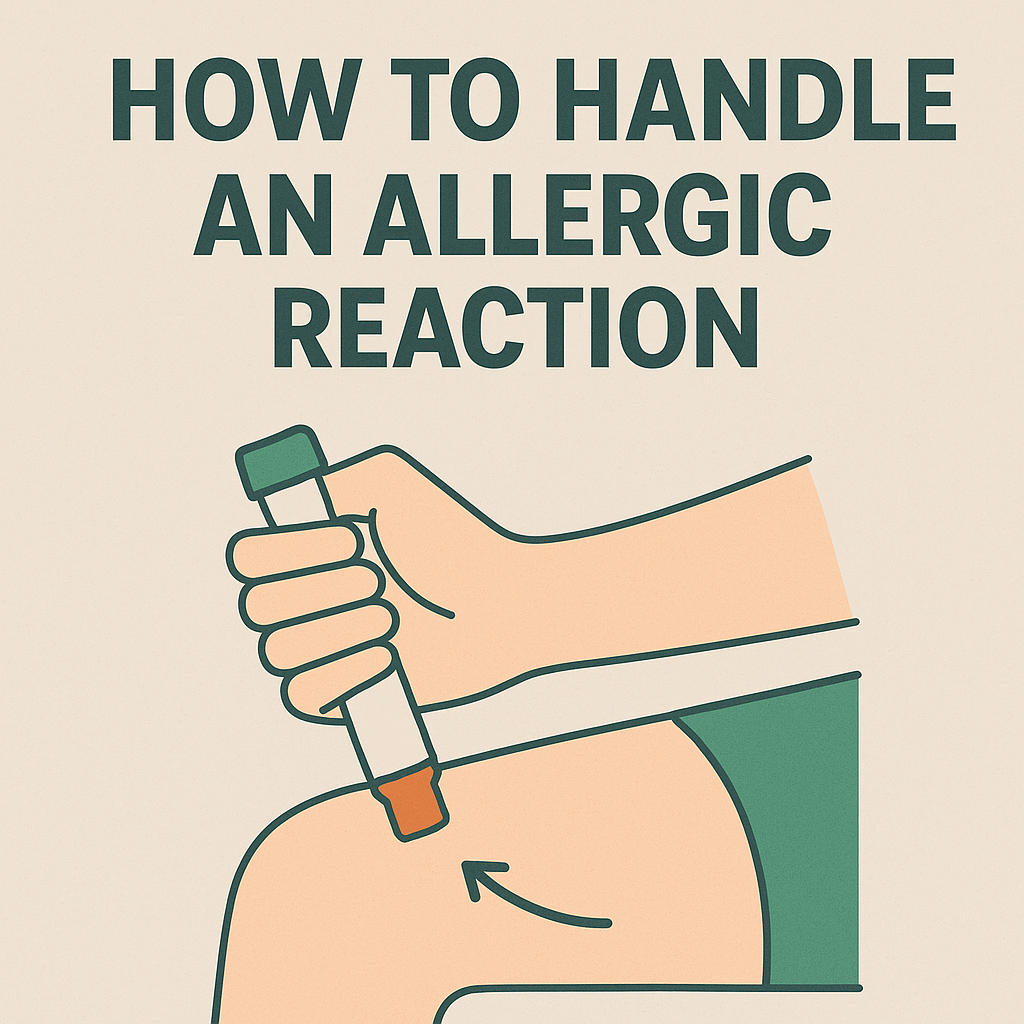
How to Handle an Allergic Reaction — What to Do When It Happens
When an allergic reaction strikes, every second matters. Learn how to recognize symptoms, use epinephrine the right way, and stay calm with this step-by-step guide from NutFreeMarket.
1. First: understand what’s happening
An allergic reaction is your body overreacting to something harmless — like nuts, shellfish, or a medication.
Your immune system sounds the alarm.
Your body releases chemicals like histamine.
Then the chaos begins: itching, swelling, maybe worse.
According to Mount Sinai Health System, even mild reactions can turn serious fast — especially for people with food allergies.
The dangerous kind?
It’s called anaphylaxis, and it can be life-threatening.
The Mayo Clinic says the single most important thing in those moments is quick epinephrine use.
If you’re newly diagnosed with a nut allergy, start here: What to Do Right After a Nut Allergy Diagnosis. It’ll help you build a plan before you ever need it.
2. How to recognize the warning signs
Some reactions creep up slowly. Others explode.
Here’s what to watch for:
Mild or moderate symptoms
- Itchy eyes, sneezing, or a runny nose (Food Allergy Research & Education)
- Hives, skin redness, or swelling of lips and face (Mount Sinai)
- Mild nausea or stomach pain
Severe (anaphylaxis)
- Swelling of the throat or tongue
- Trouble breathing or swallowing
- Chest tightness, wheezing, coughing
- Feeling faint, dizzy, or confused
If you notice symptoms in more than one body system (for example: skin + breathing + digestion), it’s serious.
That’s your cue to act — right now.
3. What to do in the moment
If it’s mild
- Stop contact immediately. Step away from the allergen or stop eating it.
- Cool the skin. Use a cold compress for hives or itching. (MyHealth Alberta)
- Take an antihistamine (if your doctor has said it’s okay).
- Watch closely. Reactions can change in minutes.
Antihistamines can calm itching.
But they don’t stop anaphylaxis.
If it’s severe
This is life or death.
- Use your epinephrine auto-injector immediately. (Mayo Clinic)
- Call emergency services. (911 in the U.S., 999 in the U.K., 112 in the EU.)
- Lay flat unless there’s trouble breathing — then prop up slightly. (NHS)
- Don’t stand or walk. Keep still — movement speeds up reaction spread.
- If they’re not breathing, start CPR if trained.
- Always go to the hospital, even if symptoms fade — a second wave (called a biphasic reaction) can strike hours later.
4. After the reaction
When things calm down, the real work begins.
Book a follow-up with an allergist. (MyHealth Alberta)
Always carry two epinephrine auto-injectors. (NHS)
Wear a medical alert bracelet. It tells strangers how to save you if you can’t speak.
Tell your family, friends, and coworkers where your auto-injector is — and how to use it.
If you eat out often, read: Eating Out Safely: How to Navigate Restaurants With a Nut Allergy. It covers how to talk to staff and avoid cross-contact.
5. Stay ready — always
Reactions rarely happen when you expect them.
That’s why preparation matters most.
- Keep epinephrine close.
- Read every label — even if it’s a brand you trust.
- Teach kids and loved ones the signs.
- Make a plan with your doctor.
If you’re traveling, check out How to Travel Nut-Free: Airline, Hotel & Food Tips. It’s packed with tips to stay safe away from home.
6. Quick recap
When in doubt:
Act fast. Don’t wait.
Here’s the cheat sheet:
- Mild = remove trigger, take antihistamine, monitor.
- Severe = epinephrine now, call 911, stay still, hospital.
- Always follow up with a professional.
You can’t always control exposure —
but you can control your response.
That’s how you stay safe.
Disclaimer:
This article is for educational purposes only and does not replace professional medical advice. Always consult a licensed healthcare provider for diagnosis and treatment.